As postsecondary institutions continue to expand their digital learning footprints, understanding the regulatory and consumer-protection landscape has never been more important. SARA plays a central role in that landscape, especially as distance education stabilizes beyond the pandemic and institutions look for efficient, student-centered ways to operate across state lines. To explore the latest data, trends, and protections shaping the field, we spoke with Rachel Christeson, Senior Director of Research and Planning at NC-SARA. NC-SARA is the National Council for State Authorization Reciprocity Agreements, the organization that facilitates collaboration with the four regional compacts to implement the reciprocity agreement, SARA, by the states.
With the release of NC-SARA’s newest data report and the 2025 Cost Savings Study, Rachel shares timely insights on institutional participation in SARA, evolving protections for students, and what institutions should watch for in the year ahead. The data show that as SARA participation by institutions continues to grow, students across all 49 member states, Washington, D.C., Puerto Rico, and the U.S. Virgin Islands benefit from consistent and uniform protections for interstate distance education. Institutions are also realizing nearly $1 billion in authorization cost savings, allowing them to maintain these protections while offering programs across state lines. Rachel also highlights the efforts of SARA’s closures and complaints working groups, which are strengthening oversight and improving outcomes for online learners. With a decade of data now in hand and major policy initiatives underway, SARA is positioning states and institutions to navigate an increasingly complex digital learning landscape.
Thank you to Rachel Christeson for participating in this interview!
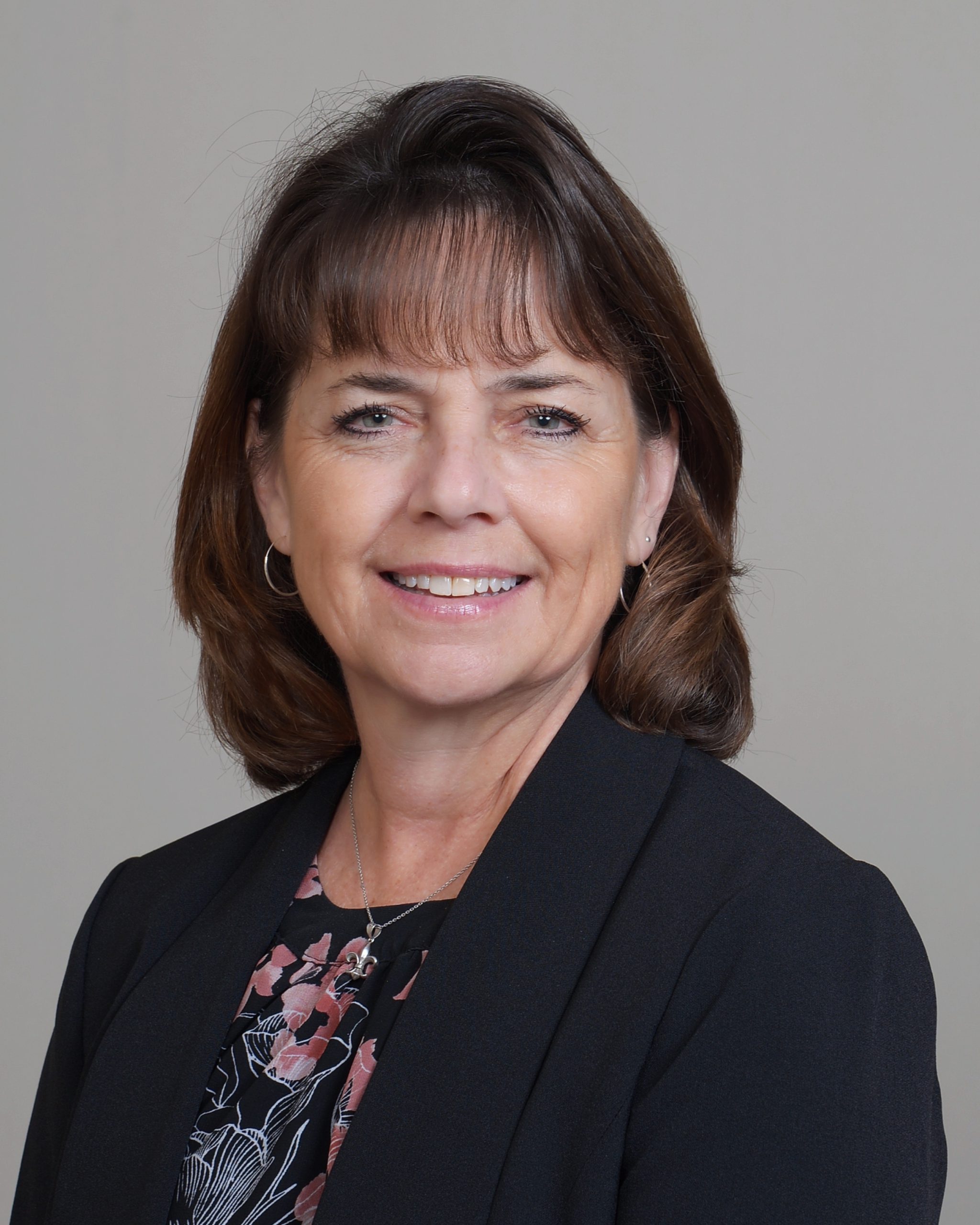
Rachel Christeson, Senior Director of Research and Planning NC-SARA
Question 1: Participation and Access
For readers who may not be familiar, can you briefly share what SARA is, the types of institutions that participate in it, and why participation matters, especially for students learning at a distance?
SARA—the State Authorization Reciprocity Agreement—is a voluntary agreement among 49 states, the District of Columbia, Puerto Rico, and the U.S. Virgin Islands that establishes consistent standards for institutions offering distance education across state lines. As of Fall 2024, more than 2,400 institutions participate in SARA across a remarkably diverse landscape:
49% are public,
43% are private nonprofit,
8% are private for-profit, and
a small number are tribal colleges.
What’s particularly noteworthy in the latest data is that we’re seeing steady participation even as the initial pandemic-driven surge in distance education has stabilized: 1.66 million students attended out-of-state SARA-participating institutions exclusively via distance education in Fall 2024.
For students learning at a distance, their institutions’ participation in SARA translates into meaningful access to postsecondary education and learner protection.
Without SARA, institutions would face authorization costs that are, on average, 61 times higher for initial authorization across multiple states—costs that would likely be passed on to students or limit program availability. Our 2025 Cost Savings Study found that SARA saves participating institutions over $953 million in initial authorization costs and $488 million annually in renewal costs.
Most importantly, SARA ensures students have consistent consumer protections regardless of where they live or where their institution is located, including standardized complaint resolution processes and requirements for institutional participation. This framework allows institutions to focus resources on educational quality rather than navigating 50+ different regulatory systems, ultimately expanding educational opportunities for distance learners nationwide.
Question 2: Strengthening Student Protections
The “Spotlight: Being Responsive to the Changing Conditions of Higher Education” section highlights working groups on institutional closures and student complaints. Can you share a bit about this work and how it is improving protections and outcomes for online students?
As noted in NC-SARA’s 2025 Annual Report, the institutional landscape has changed significantly in recent years, and we’ve seen that distance education students can be vulnerable when institutions close suddenly or when concerns arise about institutional practices.
The SARA Institutional Closures Working Group, comprised of representatives from all four regional education compacts, State Portal Entities, and NC-SARA board members, is developing comprehensive closure requirements in three critical areas:
ensuring effective teach-out plans are in place and shared appropriately,
protecting student access to academic records, and
researching mechanisms to ensure students are protected in precipitous closure situations.
This work is about creating a structured, transparent process that prioritizes student interests while maintaining regulatory compliance and institutional integrity.
Parallel to this effort, the SARA Complaints Working Group is implementing an expanded complaint data collection and analysis system that will fundamentally improve how states and NC-SARA monitor and respond to student concerns. By standardizing complaint categorization across states, improving data collection methods, and establishing clear reporting guidelines, this group is, ultimately, creating a more comprehensive response system. These enhancements allow for faster identification of patterns of concern and more effective intervention by state regulators, leading to stronger student protection.
Together, these working groups represent SARA’s commitment to evolving the policies and procedures proactively rather than reactively, ensuring that as the distance education landscape changes, student protections keep pace.
Question 3: The Future of Reciprocity and Digital Learning
Looking ahead, how do you see reciprocity agreements adapting to the future of digital learning?
The future of digital learning, along with changes in the higher education ecosystem, are among the most important conversations in the field right now, and they are questions SARA’s state partners and stakeholders actively explore. The original SARA model was designed with traditional degree programs in mind. Still, of course, institutions are increasingly offering stackable credentials, competency-based pathways, and other innovative formats that don’t fit neatly into conventional regulatory categories. SARA provides appropriate oversight and student protections at the institutional level, thus allowing for such emerging models without creating any additional barriers that could stifle innovation.
What is helpful about the SARA approach, also, is the state-led SARA Policy Modification Process, which allows thoughtful, collaborative adaptation of SARA policy over time as conditions or needs change. While I can’t predict exactly how SARA policy will evolve, I can confirm a commitment to engaging these questions about innovation directly with SARA’s member states and stakeholders, ensuring that any policy adaptations maintain robust student protections.
Question 4: What’s Ahead from NC-SARA
Finally, what are you most excited about working on this year, or what should our readers watch for from NC-SARA over the rest of the year?
As the Senior Director of Research and Planning for NC-SARA, I’m particularly excited about the maturation of our data infrastructure and its implications for the field. We just released our 10th annual data report, which means we now have a decade of comprehensive data on distance education enrollment patterns and out-of-state learning placements. This longitudinal view is invaluable; it allows us to move beyond anecdotal observations toward understanding genuine trends in how students access education across state lines, where demand is growing, and how institutions are evolving their distance education strategies. We’re also in the seventh year of mandatory out-of-state learning placement reporting, and this data reveals fascinating patterns about experiential education in fields like healthcare and education. Our interactive data dashboards, which we released a couple of years ago, make all of this information accessible to state and institutional leaders for strategic planning purposes. I encourage your readers to explore them.
Beyond data, readers should watch for the outcomes of the working group on institutional closures, which should result in concrete policy recommendations soon. SARA is also continuing to refine the financial oversight processes through the Regional Steering Committees, strengthening how institutional financial health is monitored to protect students. And we’re about to launch the 2026 SARA Policy Modification Process, too. The broad and deep engagement in all of these initiatives tells me that SARA is responsive to the needs of the field.
For distance education professionals, I think the most important thing is to stay engaged with your State Portal Entity and take advantage of the resources being developed and shared. The stronger the connection between institutional practice and state policy, the better we can serve students together.
A Road Ahead for Reciprocity
From growing participation to enhanced oversight and a decade of robust data, the reciprocity agreement we know as SARA continues to evolve in ways that strengthen both institutional practice and student protection. Rachel’s insights highlight a reciprocity structure that not only stabilizes the regulatory environment but also adapts thoughtfully to emerging models of digital learning. SARA’s consistent framework and state-driven policy processes offer a reliable foundation for serving students wherever they learn. For those working in distance education, staying engaged with state partners and understanding the increasingly rich data resources from NC-SARA will be key. Together, the SARA community’s goal is to ensure that reciprocity remains both effective and responsive as the future of digital learning unfolds.
We extend our thanks to Rachel Christeson for sharing her time and expertise. The State Authorization Network (SAN) continues to track developments in reciprocity, recognizing SARA as a key pathway for institutions seeking institutional approval to serve students wherever they are located. As part of WCET’s mission to advance digital learning, SAN focuses on regulatory and authorization issues affecting institutions and the learners they serve.
Institutions or organizations interested in joining SAN can visit the SAN Membership webpage for details or connect directly with SAN staff at san-info@wiche.edu to see how membership can support your compliance journey. SAN is here to help with your compliance needs!
Policy analysis for judicial opinions, statutes, regulations, and guidance related to postsecondary digital education,
Compliance training for institutions to meet distance education-related requirements to provide student consumer protections,
State and Federal Compliance considerations for out-of-state activity compliance for postsecondary institutions (including for military students).
Bio
Cheryl joined WCET in August 2015 as the director of the State Authorization Network. She currently serves as the senior director, policy innovations. She directs the overall activities of WCET’s State Authorization Network (SAN), including coordination of staff addressing interstate policy and compliance and other ancillary compliance issues. As senior director, Cheryl also serves the overall WCET membership in addressing emerging and special regulatory issues related to digital learning in postsecondary education. She brings extensive experience in education and compliance to the WCET team and is a contributing author for State Authorization of Colleges and Universities, a guidebook for understanding the legal basis for State and Federal compliance for activities of postsecondary institutions.
Cheryl holds a Juris Doctorate from the University of Richmond, a master’s degree in criminal justice from Bowling Green State University, and a bachelor’s degree in political science from James Madison University. She is the mother of four kids, all of whom have been instrumental in helping her develop new interests in theatre, hockey, and figure skating. Outside of work, Cheryl enjoys spending time with her family and is an avid fan of movies and TV shows written by Aaron Sorkin.
We use cookies to ensure that we give you the best experience on our website. If you continue to use this site we will assume that you are happy with it.